

Soil cultivation
Various tillage methods are used to prepare a seedbed or remove weeds. Power hoes, rotary tillers, Stone buriers or plows are used for basic soil cultivation. With this mechanical intervention, the soil is not only loosened superficially, but a mixing or turning of the soil is achieved at working depths of approx. 15 cm. Secondary tillage is generally limited to the uppermost, maximum 10 cm thick, soil layer and is used to prepare the seedbed. Rotary harrows and levelling rakes are used.
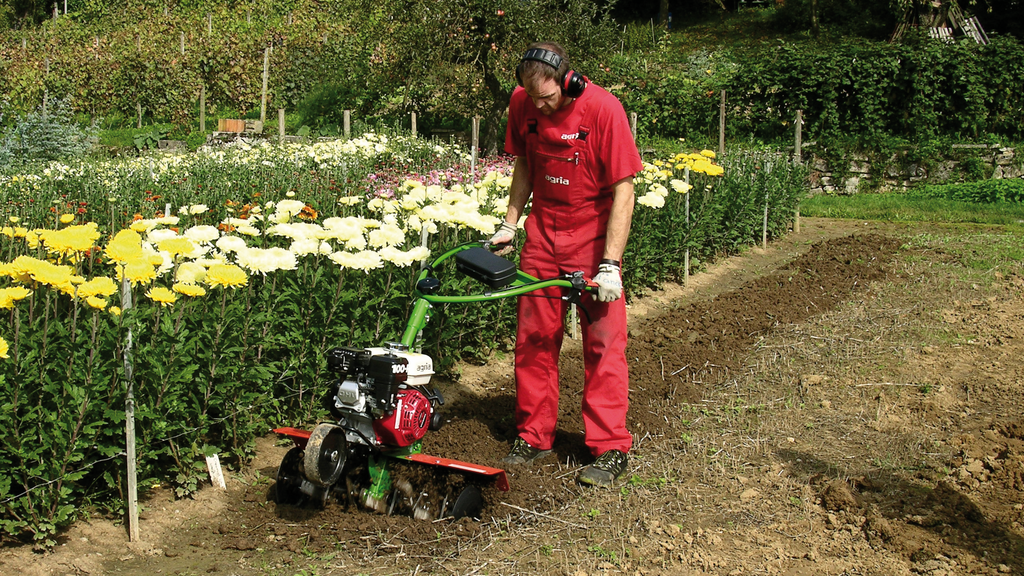
Hoeing
Motorized hoes are primarily used to repeatedly loosen soil that has already been cultivated.

Rotavating
The tiller can be used to prepare a finished seedbed or planting bed in a single pass on light to medium-heavy soils.
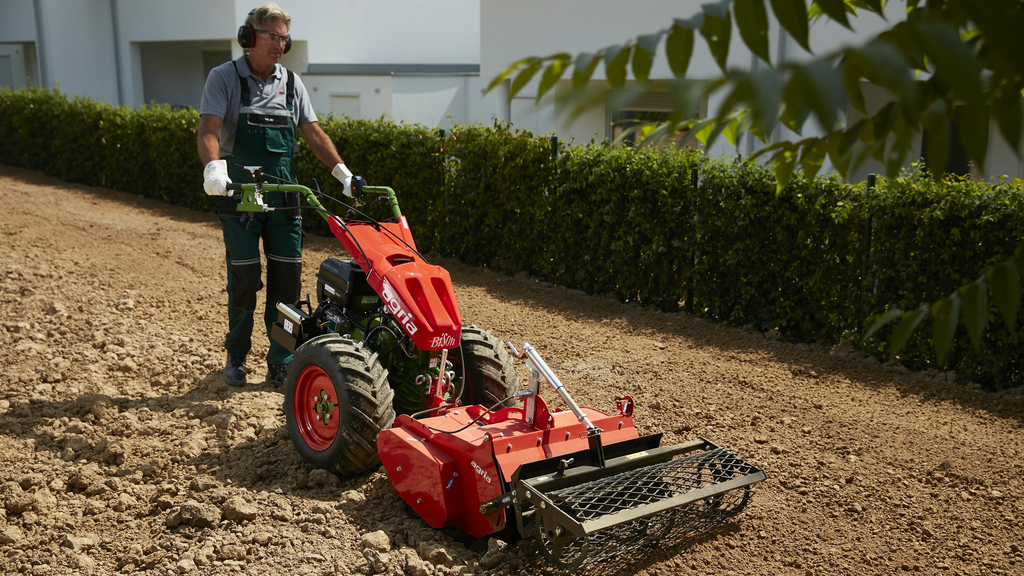
Stone burying
The Stone burier is a special design in which the Auger support rotates in the opposite direction to the direction of rotation of the tractor wheels.
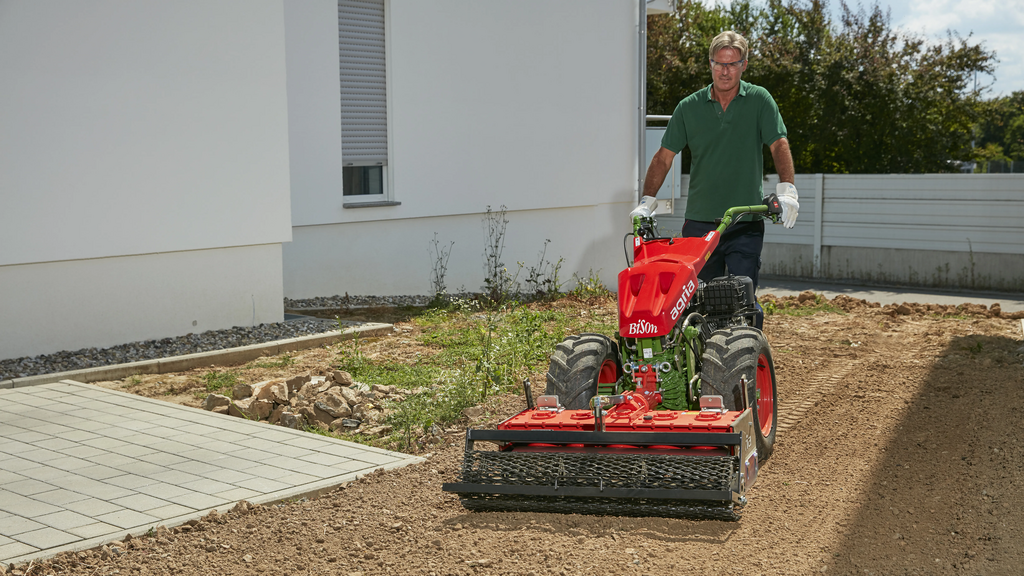
Wheeled hoeing
Soil can be worked with a Harrow after plowing. Larger clods of soil are broken up, the soil is loosened and evenly distributed over the area.
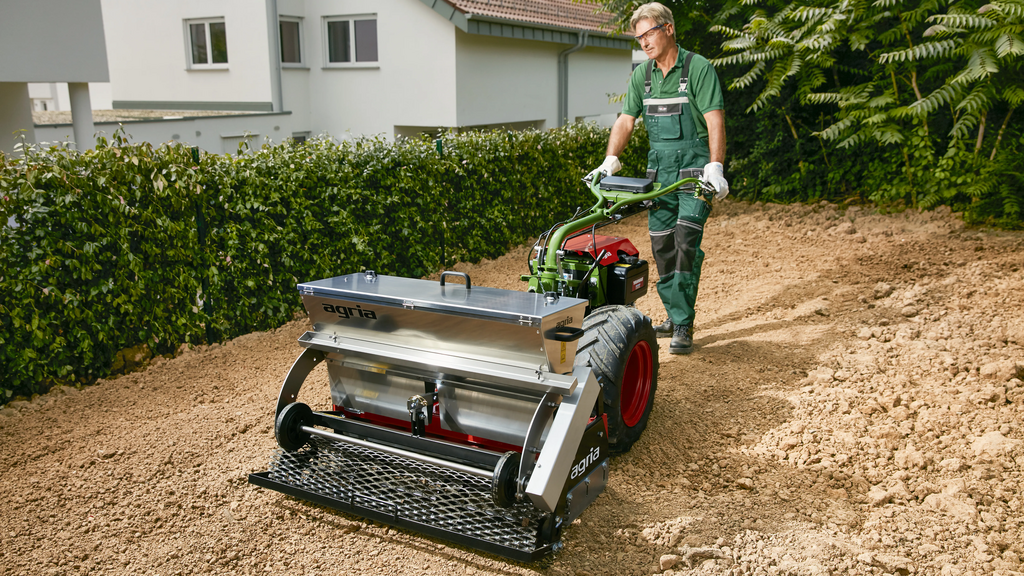
Sowing
While the Rotary harrow crushes and levels the soil, the Seeder simultaneously sows the seed mixture - all in a single work step.
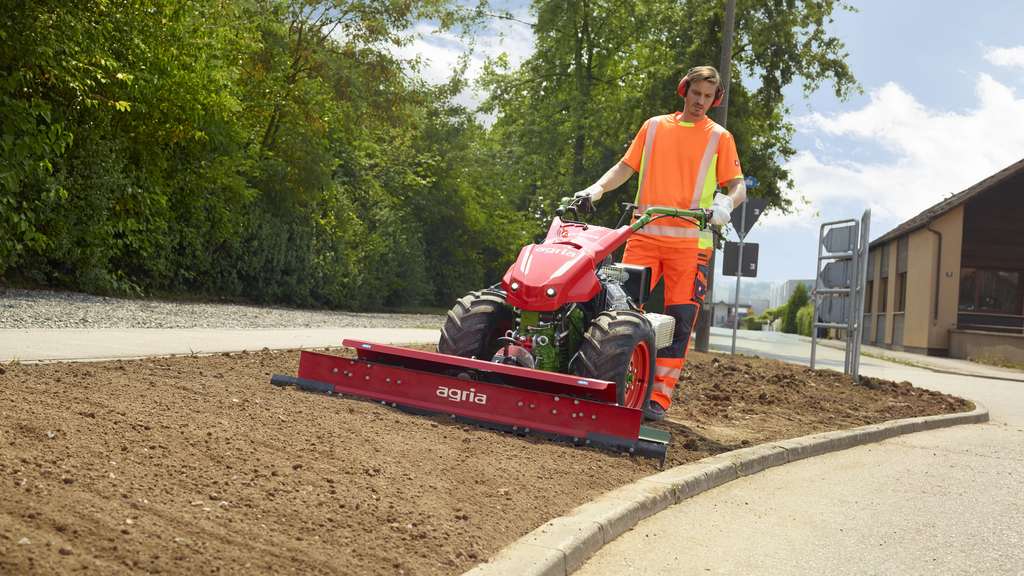
Levelling
Levelling rakes are suitable for low-vibration levelling of the ground. The triple drive achieves a clean and fast work result with low vibration.
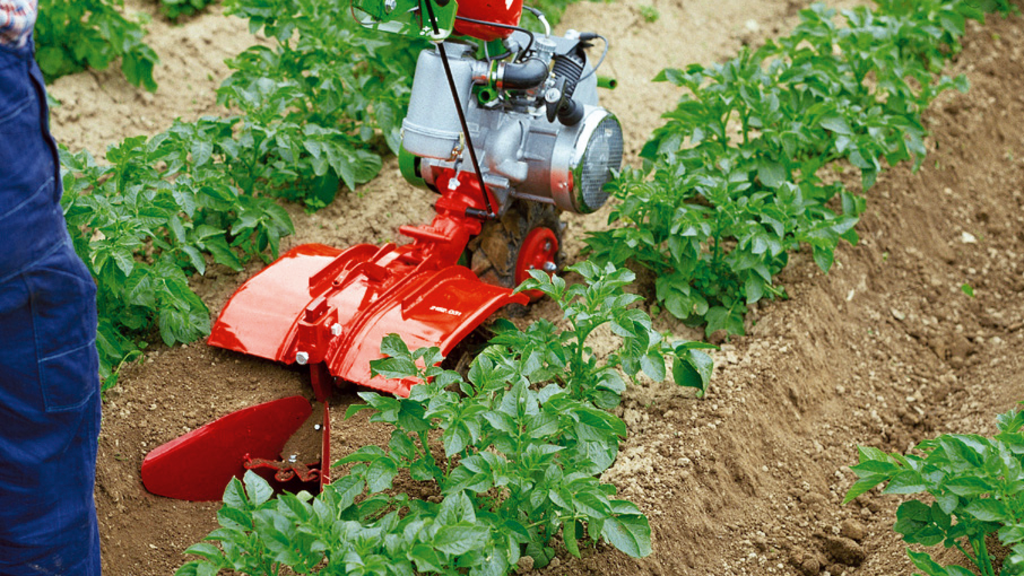
Ridging
The Ridger is mainly used in vegetable and potato cultivation. This implement is used to heap soil onto the plants.

Ploughing
In preparation for the seedbed, the soil is loosened and ideally aerated by plowing. It also allows organic material to be worked evenly into the soil.
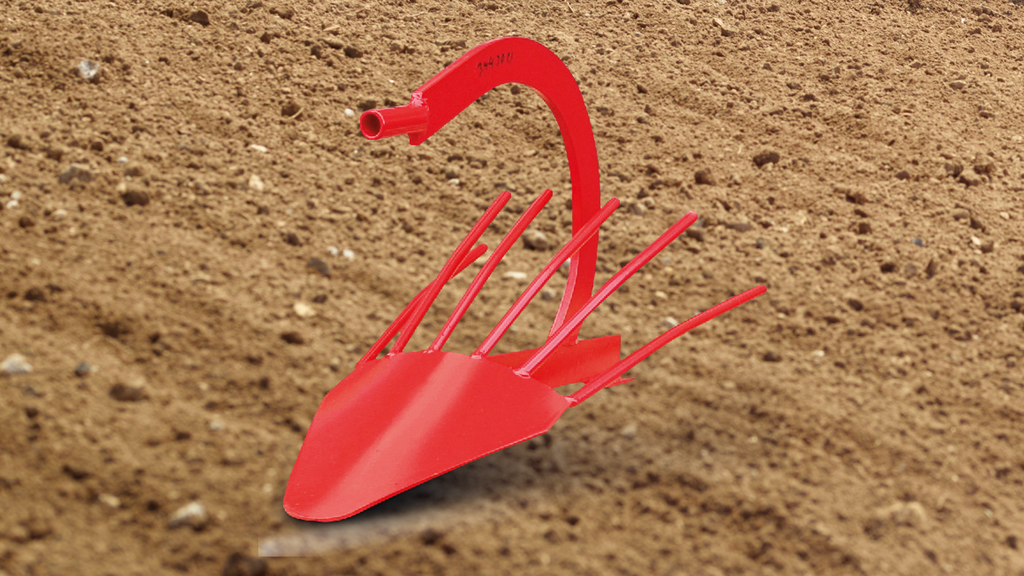
Potatoe rodding
The Potato digging plough lifts the potatoes with the surrounding soil. Filter seaweeds separate the soil from the potatoes and deposit them on the surface of the soil next to the plow.
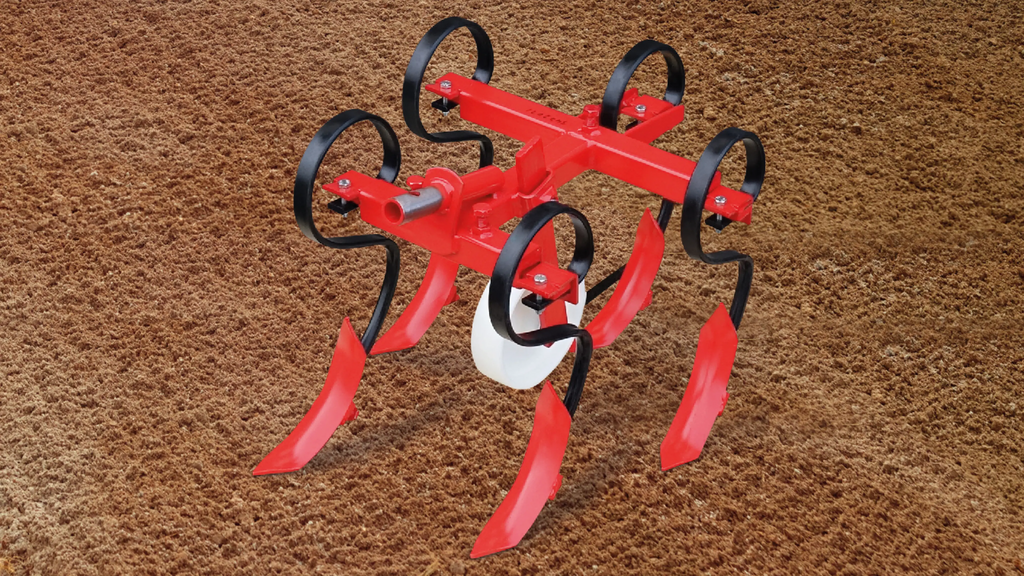
Cultivating
Cultivating with a Spring tine cultivator or a Cultivator primarily breaks up the topsoil.